Hello everyone! 👋
While writing my blog posts, I noticed an important omission today. Our journey to Germany and our experiences here are certainly important, but I haven’t talked at all about how the story began. So I decided to write this post. Perhaps starting at the very beginning will also help make the topics that follow easier to understand.
An Unexpected Interview
After graduating from the Electronics and Communications Engineering department at İzmir Institute of Technology in 2014, I immediately started looking for a job. Of course, as many of our fellow new graduates have experienced, it was a very stressful process. Since I had generally focused on telecom and communications technologies during university and my internships, after graduating I immediately applied to every listing that included words like network, radio access, planning, and optimization.
I was entering my third month without even getting an interview invitation when, one evening, feeling very overwhelmed, I applied to every listing I saw on Kariyer.net that might be related to my field, whether it called for an experienced or inexperienced candidate, and whether it was in communications or not. It was right then that fate started weaving its web: I also ended up applying for the Huawei Turkey R&D Engineering New Graduate C++ Software Engineer position, even though, unfortunately, I actually knew nothing about C++.
The following week, when a number with the “0 216” area code called, I was so excited. I was so nervous during the phone call that I could only make out the words “Huawei” and “C++.” Since I couldn’t understand the location either, after the call I looked up where the company was based using the area code. It seems funny when I think back on it.
Of course, that happiness turned to worry when the interview invitation email arrived. When I saw the “C++ Software Engineer” position in the invitation, I immediately remembered the batch of applications I’d sent the week before. I felt a little regret, of course, but at the same time I was reassuring myself that at least I’d give it a try. I thought, “Let’s see how far the C course we took at school gets me.” Still, to be on the safe side, I printed out a small C++ book recommended online and set off for Istanbul.
I started studying C++ from the book during the trip to Istanbul. Of course, things didn’t go as planned. I had only just reached the Object Oriented section when the journey ended. So I’d only managed to learn a little of the syntax—and considering that I’d only read the book and had no hands-on practice, I had nothing to show for it.
On the day of the interview, as a new graduate, I tried to talk about my telecom knowledge as far as I could remember from my university classes and about my graduation project. I answered the programming questions and the algorithm questions using what I knew about C. Of course, I couldn’t give any answers about C++.
At the end of the interview, feeling very disappointed, I bought a ticket to return home and finished the journey deep in thought. When I got off the bus at the station, I was in for a big surprise: they called to tell me I’d passed the technical interview.
After passing the non-technical interviews too, I received the offer. Years later, I had the chance to play on the same basketball team as the manager who interviewed me that day. He described that interview like this: “Well, I saw that he couldn’t answer the questions, but there was a spark, there was a desire. I said, let’s hire this guy.” Then, looking at me and laughing, he added: “I’m glad I said we should hire him.”
Hearing those words is something I’ll never forget. Years later, when I started conducting job interviews myself, I always remembered that conversation. Sometimes wanting something and being able to convey that desire to the other person can matter more than answering the questions correctly. And so, my entry into the field of software—which I hadn’t even considered when I graduated—began with a little luck and making the most of that luck.
A Story of Coming Back
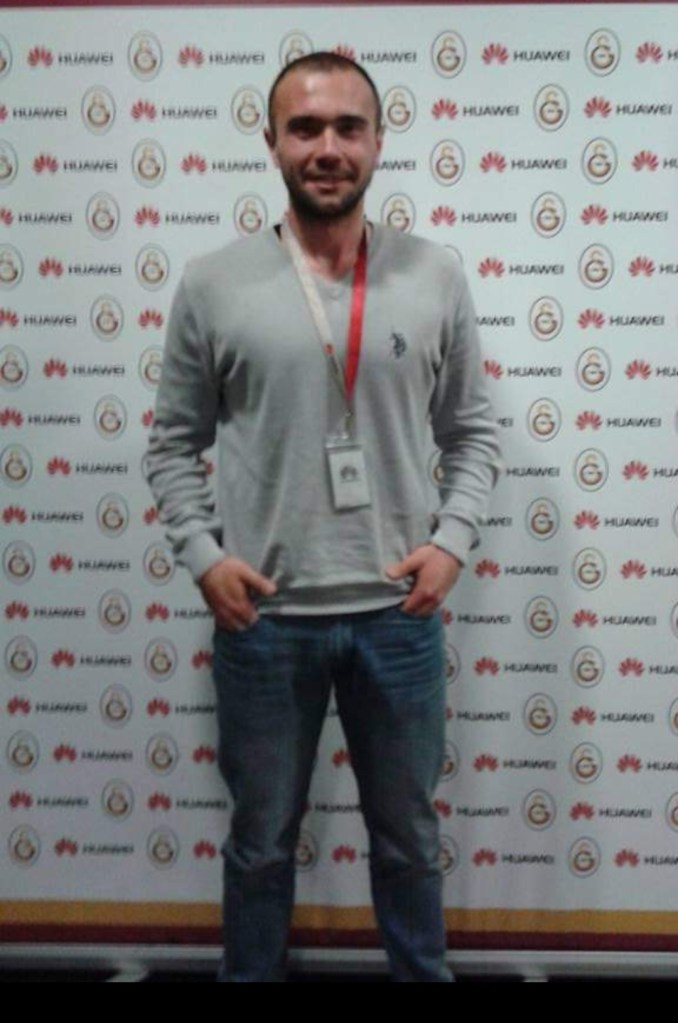
Of course, starting the job wasn’t the end of everything. Quite the opposite: everything was just beginning. Since C++ was a programming language I didn’t know at all, I tried to make up for my shortcomings at every opportunity. At the same time, there was a training plan expected of me, and I had to work through it. In a way, I’d entered another stressful and intense period.
Every company has a probation period by law (its length may vary, but it’s the same abroad too). During that period, you can leave the company without any notice, or your company can terminate its contract with you.
Huawei runs this process through a very well-established system called the “Probation Period.” As soon as you start work, an experienced colleague from your team is assigned as your “tutor.” Even if they aren’t your direct manager, they’re there to guide you as you adapt to the company and deal with technical or non-technical problems. Then you follow a two-month training plan and give a presentation at the end of the process. Depending on the outcome, you may pass probation or your contract may be terminated.
From the moment I started, a very experienced senior colleague was assigned as my tutor. Naturally, a very comprehensive two-month training plan was also set up. Basically, the plan consisted of the training I needed to complete, some exams, and a project I had to finish by the end of the two months. The project was what worried me most during this process. No matter how hard I tried, it wasn’t easy for someone who hadn’t graduated in Computer Engineering and had never taken “Object Oriented” or “Data Structures” classes to immediately build a C++ project.
Of course, I was also constantly worried about whether I’d fail probation at the end of the two months. I’d rented a place in Istanbul and bought everything from scratch, so having to go back to square one all of a sudden would have been a terrible start to my professional life.
The key part of probation is the project. It accounts for half of the process and carries the greatest weight in the evaluation. Knowing this, I tried to do more than I could. But despite a lot of effort, I couldn’t quite get it finished. Meanwhile, time was running out.
The days passed quickly, and suddenly it was Friday at 5:15 p.m. The presentation was the following Monday morning. In other words, whatever I could get done on Friday evening was what I’d present on Monday.
Throughout this process, my tutor and everyone on the team had supported me a lot, but the project still wasn’t ready. Around five o’clock, as my tutor was leaving, he came over and asked, “How’s it going?” I was almost in tears.
I told him about some of the errors, and then we analyzed them together, but as we tried to fix the errors, new ones kept appearing. It was already nine o’clock. My tutor looked at his watch and left, saying, “I have to go now.” Of course, by then I’d accepted defeat and started telling myself, “Whatever happens, at least I’ll explain what I’ve done; the rest is up to fate.” Still, I was going to keep trying to work on the project.
About 10–15 minutes later, I suddenly saw my tutor at the entrance to the floor. Maybe he hadn’t felt right about leaving me like that, so he’d come back. We analyzed and solved the problem together until midnight that night. It’s one of the moments in my career that I’ll never forget. It was also a lesson for me.
After that, until the day I left, I enjoyed working on many projects with the senior colleague I called my tutor. I learned a lot from him. But the most important lesson was that “story of coming back.” If he hadn’t turned back and helped that day, who knows what would have happened? But one thing is certain: with the help I got that night, I completed the project, and it gave me excitement and hope about moving forward in software.
It was my first success in a field I knew nothing about. It meant a lot to me. Another meaning was the lesson I learned: years later, every time I mentored someone, I too tried to support new graduates and set an example for them, just as he had. Sometimes finishing a demo project can make you believe in a career.
Future Star
After getting through probation, I started working on real projects. The first exciting project was one we developed with a team from China. A separate team was formed from the Turkey office too, and we worked together as one team with the Chinese team for about five months. During those five months, I must have worked the equivalent of ten. It was a project where I learned a lot and developed myself greatly. It was just as exhausting, too.
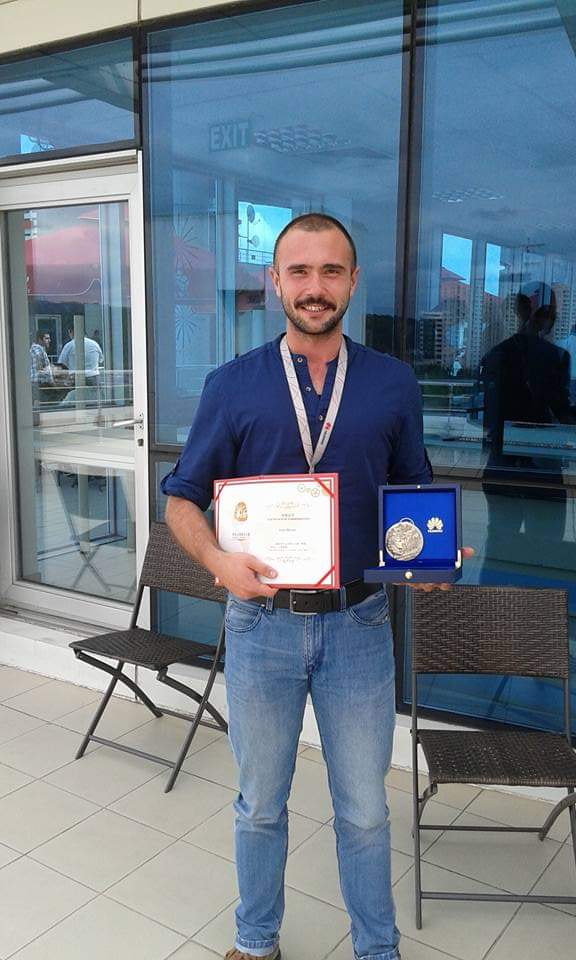
During this busy period, something happened that really excited me. A new award was going to be given at Huawei for the first time. The way people were nominated was truly unique: the team members’ votes determined who would receive the award. Our team at the time had about 16 people. Three people would receive the award based on the votes of those 16 team members. The award didn’t have any financial benefit, really, but it had me very excited. It was called “Future Star.” Of course, from the name you might think it was an award for a promising young player, but actually anyone could receive it, regardless of experience or age.
The award day finally arrived. Everyone was writing down their nominees and explaining why they were nominating that person. Once all the nominations were collected and put into a box, the votes started being counted as if the ballot box had been opened. The whole thing was exciting already, but once it started to feel like the kind of election atmosphere we were used to, I got even more excited. That day, I received the award with 14 of the 16 team members’ votes. I would receive the award five more times over the following seven years, but that first day stayed with me as an unforgettable memory.
My First Resignation Conversation
Of course, like every career, mine had its ups and downs. There were times when I felt overwhelmed and reached the point of giving up. To be honest, during my seven-year career at Huawei, I resigned four times. After conversations with my managers, I changed my mind three times. The last time, of course, the decision was final because it meant a much more radical change. Without going into the details of all of them, I can talk a little about the first. Changing jobs is a fact of professional life, but I’m not sure it can always be put into that kind of neat category.
As I was heading into my second year at Huawei, an HR representative called me and we started the interview process with a company. Along with the good things—learning a lot on an intense project and receiving awards, for example—I was also experiencing the minor problems that everyone has in their career at that point. Although these problems weren’t enough of a push for me to change jobs, as the interview process progressed they started to loom much larger in my mind.
Of course, a process that started with “Let’s give it a try and see what happens” became much more serious when an offer came in. With both a new job and a salary increase on the table, I decided to consider the offer and prepared my resignation conversation.
Although the conversation was difficult for me, my manager at the time listened patiently and managed to convince me with what he said afterward. Looking back now, I think, “I’m glad I chose to stay.” Of course, we’ll never know what it would have been like at another company or in another career, but one thing is certain: perhaps none of the important developments in my life that followed would ever have happened. That includes meeting my wife. Since we’re on the subject, let’s move on to some personal matters.
The Boy Is Ours, the Girl Is Ours
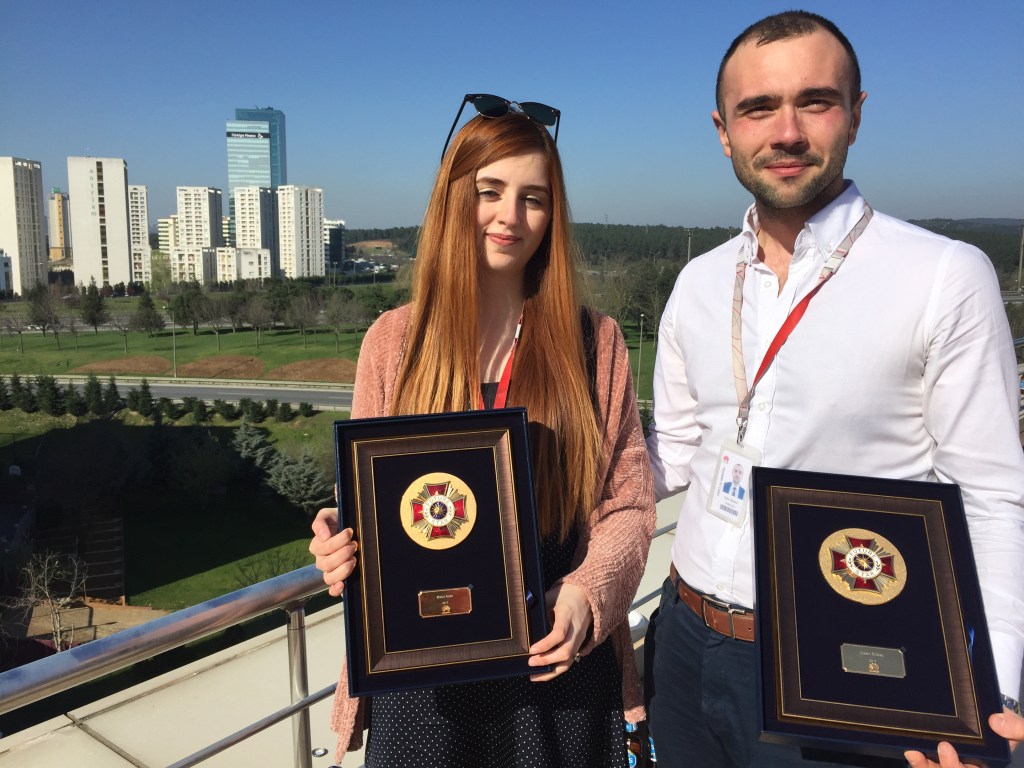
The reason I started with this sentence is that it has an important place in my life, as I’ll explain in a moment. In my third year at Huawei, my wife started working at our company, on our team. I was working on the same project as a Software Developer, and she as a Software Tester. The friendship that began there turned into love after a while, and we got married in 2018. Of course, when we invited the whole Huawei team to our wedding, a friend we cared a lot about said, “The boy is ours, the girl is ours.”
Huawei really had become much more than a professional company for us—it felt like a family. Of course, we sometimes got questions like, “Isn’t working at the same company a problem?” Company rules are very important here, but we never had any problems. Beyond the rules, contrary to what people generally think, I believe being able to work at the same company, share the same experiences, overcome difficulties together, and celebrate successes together are things that make a relationship stronger.
A Strange Lunch
From the beginning of my career, my biggest goal and greatest professional ambition had been management positions. As the years passed, of course, that ambition began turning into a request, and I told my managers that I wanted to take new steps in my career and try different roles and responsibilities.
Although I brought this up in our discussions, my first team leadership role, or “Engineering Manager” role, came in 2018. The conversation in which I was told I would become a Team Leader happened in a very unusual way. I don’t think I’ll ever forget it.
It was an ordinary day at the office. At the time, I was working on a project as a Scrum Master and Software Developer. It was an enjoyable project, and I had also started to like my new Scrum Master role. There were major changes taking place in our department at the time. Of course, as a Software Developer, you could only infer what was happening from the hurried activity and the managers’ meetings that lasted all day.
As lunchtime approached, another manager in our department—not my team leader—asked if I wanted to have lunch with him. Of course, that wasn’t something that happened very often. You think, “I hope everything’s okay.” I accepted, and we went to a restaurant together. But I was so excited that I ate a bite or two and stopped. I was waiting intently for the conversation to begin.
The manager started talking. First he talked at length about the changes to the structure of the department, then about some things that weren’t going well and that they wanted to change. After this general introduction, he told me about their plans for me. In the new structure he was describing, he would be my direct manager. Once I got over the first shock, I listened even more carefully to the part that was about me.
I was finally moving into the team leadership position I’d been waiting for for years. Of course, this was good news, but on the other hand, the transition also brought some problems with it. First of all, I was becoming team leader in place of a friend whom I wasn’t very close to, but whom I’d always greeted and chatted with. That was a problem in itself.
Then there were the expectations, which were very intimidating. As he went on with sentences that started, “Of course, this is a very big responsibility,” and continued with “you need to pay attention to this and that,” “this is also your responsibility,” “if this happens, you’re responsible for that too,” I remember feeling a lump in my throat.
Of course, although the team leadership role didn’t turn out exactly as I’d expected by the end of the lunch, I was still very happy. It was time to get to work.
Climbing the Ranks
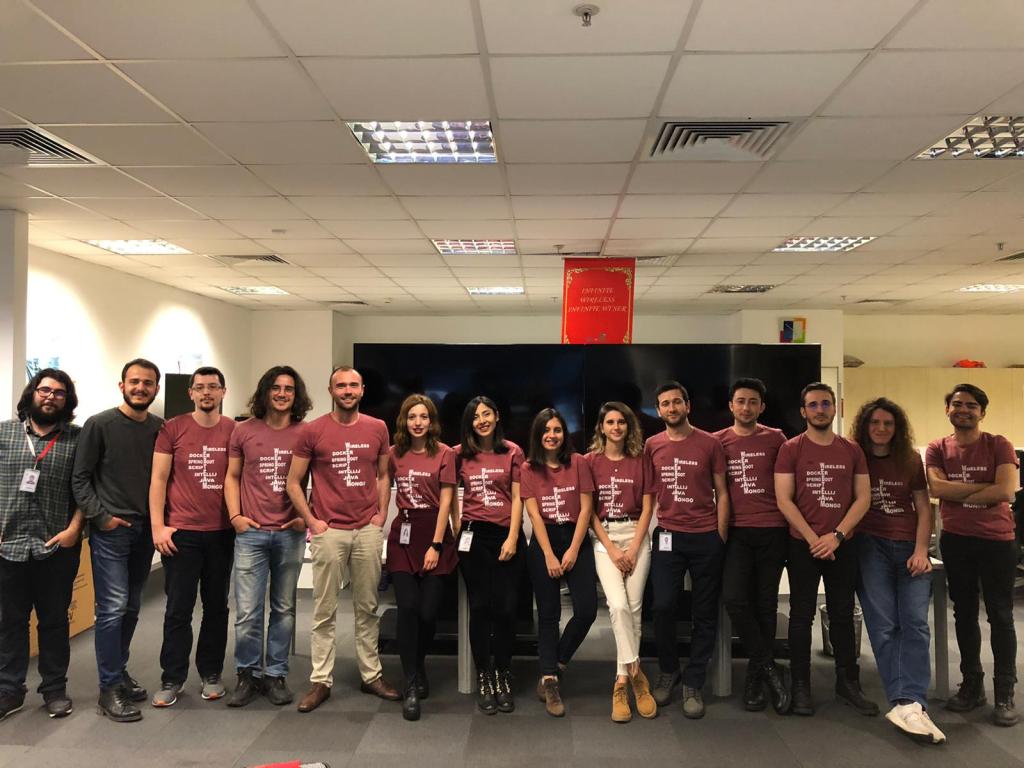
After becoming Team Leader, I tried to make progress quickly on two main things. The first was keeping the existing team together; the second was increasing its size. I can say that it didn’t take us long to bond as a team. We became a team that enjoyed working together and spending time together. At the same time, we also had the big goal of growing from 6 to 15 people. So I started conducting job interviews.
I think I should also tell you about the first job interview I conducted. At Huawei, you need a certificate to conduct job interviews. To get it, you take a test after about 8–10 hours of training. Then, after a few interviews alongside an experienced technical interviewer, you can conduct interviews on your own.
Conducting a job interview was also something I’d been curious about since the early years of my career. I always wondered, “What’s it like to be the one asking the questions this time, when I’ve always been sitting across the table?”
The big day finally came: after completing the training, it was time for my first job interview with a more experienced technical interviewer. According to the policy at the time, our priority was bringing experienced colleagues onto the team. If I remember correctly, the first candidate had about three years more experience than I did.
Just as we were about to start the interview, I got nervous. Of course, our experienced technical interviewer friend started asking the questions. As he asked them, I tried to answer them silently to myself. Suddenly I started getting stressed for no reason. Of course, some of it was the worry that I might ask the wrong thing. Throughout the interview, I was so tense that it felt like, after each question the candidate was asked, someone was about to say, “Kaan, you answer this one too.”
I was also afraid to ask questions in the meantime. I spent my first interview asking nothing, just observing, while also interviewing the candidate in my own head. In the days that followed, of course, as I gained experience and started conducting interviews on my own, I got used to it, and our team grew quite a bit through hiring.
In the early years of our careers, we’d always joke, “If I were a group leader, I’d hire/not hire this person.” Of course, when you get into these kinds of positions, you realize that building a team and keeping it together aren’t easy at all.
I set my strategy as something like “order in the midst of mess”—a team of people who are nothing alike but can work together in harmony. Everyone should have their own worldview, perspective, and, most importantly, style. The main reason I wanted this was to build a fun and dynamic team with different viewpoints.
I have an interesting story about this. One day, we organized a large exam for new graduates. About 50 candidates were going to take it. We were supervising the exam. It was like the first stage. We would interview the candidates who passed and move the process forward. As a Team Leader and one of the exam supervisors, I asked the candidates questions like “How are you?” and “How’s it going?” before the exam to help calm their nerves a little.
Usually, everyone’s response was a very quiet “thank you” or a nod to say they were fine. Since there were about ten minutes before the exam, I decided to make the atmosphere a little more relaxed. I asked another question: “Did you all get here comfortably?” A voice from the back rows said, loudly but gently, “I didn’t get here comfortably at all.” Everyone, including me, looked to see where the voice had come from. Of course, while I was expecting the usual silence or a nod, that answer suddenly made the atmosphere go cold.
Then this colleague told us how he had got there, what difficulties he had faced, and even which alternative would have been better. Of course, I listened. I didn’t know what to answer or what to say. I thanked him and changed the subject by talking about the shuttle service.
We started the exam, and the only thing on my mind was that if this colleague passed, it would be interesting to work together. And that’s what happened. We worked together on the same team for a long time. He was always a colleague with high performance, too.
A Short Break: Basketball
After a short break from careers, goals, and experiences, it’s time to talk about another career I had at Huawei too 😀
In the years after I started at Huawei, I tried to take part in lots of sports activities. Indoor soccer tournaments and basketball games were my main interests. I wasn’t very good, but I’ve been very interested in basketball since childhood. As soon as I heard Huawei was organizing something like this, I joined right away. It was actually an event where Chinese colleagues generally played against one another. They included me too. Later, we got to know each other better, and they started inviting me to all their games.
For a long time, I couldn’t take part in this event because of my workload. One day, while I was doing my usual work at the company, the R&D DIRECTOR messaged me through our internal company chat app and said he wanted to meet with me. Of course, for a Software Engineer with just two years of experience at the company, this was the perfect time to say, “I hope everything’s okay.”
I went to his office feeling very nervous and excited. Without much preamble, he showed me his screen. The website for the Corporate Basketball League was open. “We’re going to enter this league as Huawei. Can you organize it? I heard you’re interested in basketball,” he said. Of course, I wasn’t really in a position to say, “No, how could I organize that?” Besides, it wasn’t really a question that expected an answer. I accepted. After that, I suggested that we hold an internal tournament to find the good players in the company, form a team from the players we found, and enter the league. I got right to work.
When I’m given a task, I try to do it as well as possible, so I put my regular work aside and started looking for a court, a basketball, uniforms, and referees. I was talking with courts and, at the same time, trying to get the equipment. I focused completely on this. After two weeks of preparation, the tournament was ready, except for one thing: a referee.
There was no budget for a referee, and they told us to handle it among ourselves. Although I wasn’t an expert, there was no other alternative, so I started refereeing, at least trusting my previous experience. But the tournament we’d planned in a friendly way turned into the EuroLeague Final Four.
Things would flare up in the games, and because I was the referee, players would come after me; I’d eject them with a technical foul 🙂 It was a pretty competitive and fun atmosphere. But there was one big problem: the “bibs” the teams wore for the games had to be washed. We had only enough bibs for one day’s games, so they had to be washed and cleaned and ready for the next day. Of course, I hadn’t thought of this.
At the end of the first day, I went over to the R&D Manager in the audience with twenty sweaty neon green and yellow bibs in my hands. “Should I take these to a dry cleaner to wash them? How can we handle this?” I asked. The manager said, “No need, just give them to me, I’ll wash them all.” Naturally, I politely said, “Oh no, you don’t have to do that; I’ll wash them.” Hearing this, the manager said, “Okay, you wash them then,” and left.
I was left standing there with twenty sweaty jerseys in my hands. Throughout the tournament—that is, for a full two weeks—my home looked like the equipment room of an indoor soccer facility, with game bibs hanging up. Every evening I’d come home, wash the laundry, and then hang it up at home. As unfortunate as it was, I’d say it was a good life lesson.
Toward the end of the tournament, we had the awards made. The trophies for the top three teams were ready, and we also had MVP (Most Valuable Player) awards. The tournament was going well. We’d found some very talented players. I also entered with a team, but we weren’t very successful. We didn’t even make it out of the group stage.
Anyway, the final day arrived, and we were handing out the trophies. I was the whole awards committee by myself :). I watched the games and gave awards to the colleagues I thought had done well. There were all kinds of awards, like Best Shooter and Best Defender. Normally, all the awards that required statistics were entirely up to my judgment 😀
We started handing out the awards, and a lot of the Turkish players had their eyes on the Most Valuable Turkish Player award. I announced the awards one by one. Then came the most eagerly awaited award. I made a quick announcement, said, “I’m giving this award to myself too,” took the award, and quickly ended the ceremony. I rushed it through amid the grumbling.
Well, maybe we didn’t play very well, but after doing the laundry, refereeing, logistics, and everything else, I can say I deserved it.
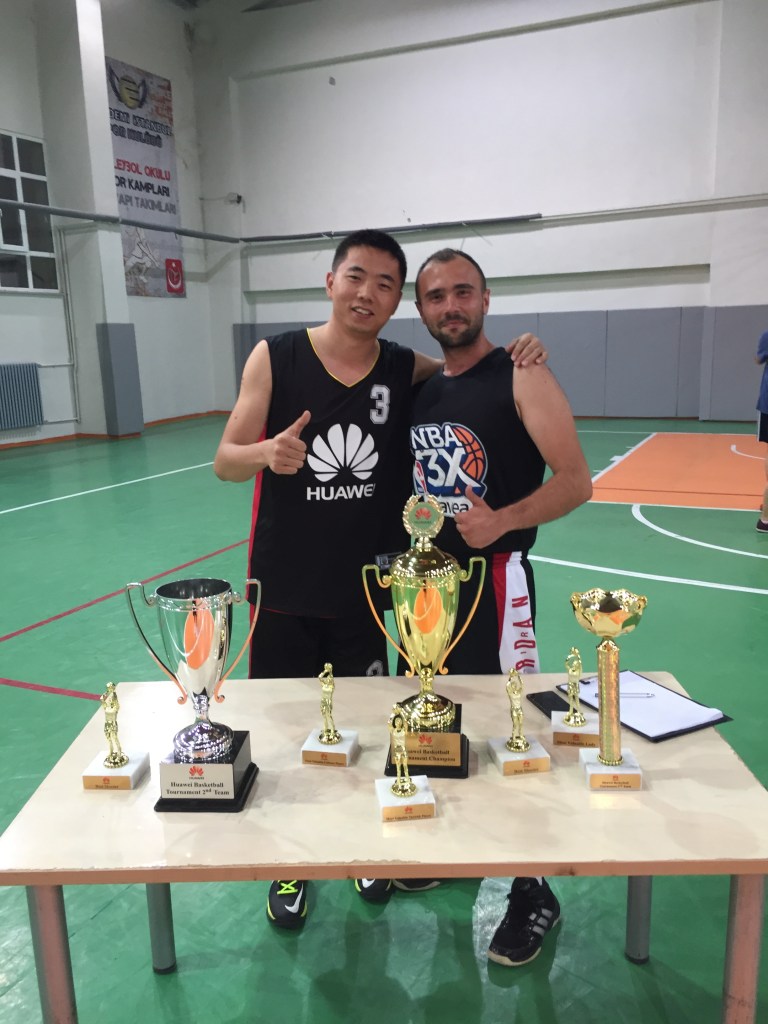
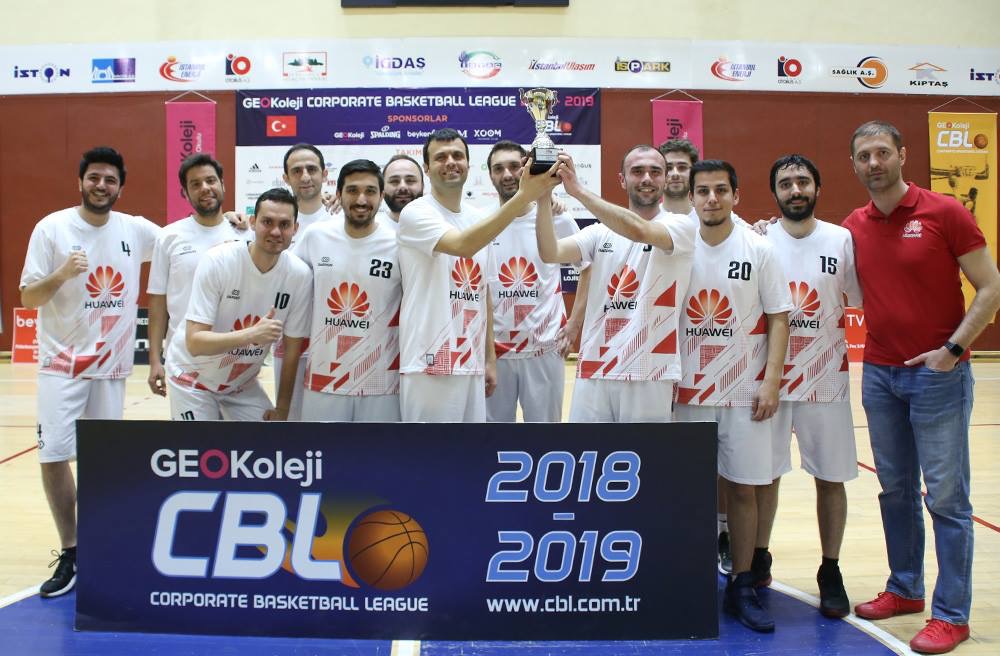
After the tournament, we competed in the Corporate League for three years, working with several professional basketball coaches. Although we didn’t get very successful results, after high school, being in the locker room, getting on the team bus, and feeling that excitement during the game were priceless.
An Awakening I Experienced in India
After this little break, let’s get back to the career steps. I’d finished hiring and built the team. We now had a happy team that produced work and enjoyed working together. As our teammates received praise from different project managers, the team started coming onto senior management’s radar. Along with our project successes, we’d also become quite a social team, just as I’d hoped.
The warm atmosphere that began with getting together in the evenings eventually led to a vacation together in Uludağ. A minibus full of people stayed in tree houses and had an unforgettable holiday together in Uludağ. It’s a memory I still remember fondly, even as I talk about it.

The team’s happiness and success also came back to me as their manager in the form of really lovely feedback. Hearing from senior management that I’d done a good job as team leader was a huge source of motivation for me. In fact, contrary to most of the leadership books I’d read, I often behaved differently. For example, instead of setting the boundaries mentioned in books and keeping things professional in my approach, we carried on with a brother-and-sister, friendly relationship. If we’d worked late one evening, we could celebrate our success at a restaurant at the end of the night and then go home. I’d never adopted a top-down management style, and as I went along in my own way, I never felt that anyone had taken advantage of it.
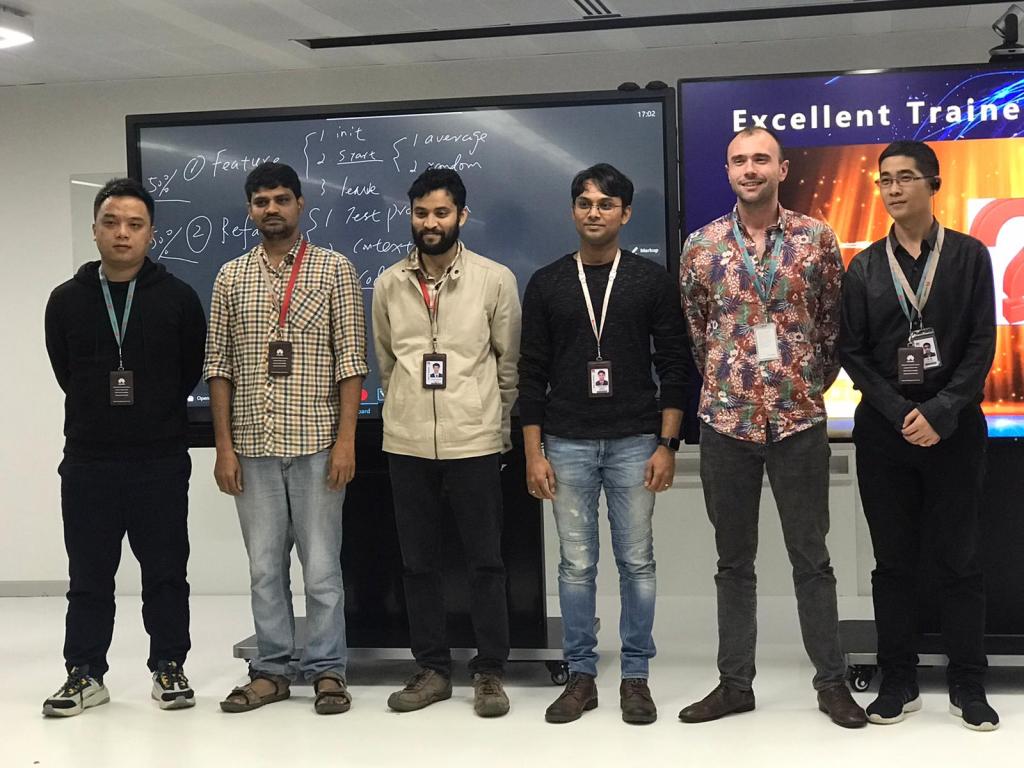
As the days went by like this, one day I was called to a meeting. They told me I was being nominated for a training course in India and, after an exam at the end of the course, for the “Huawei Code Committer” role. They asked if I wanted to do it. Of course, I was very excited. For Huawei, the Code Committer role is basically this: developers probably already know, but for those who don’t, I can sum it up as a kind of approval mechanism—the person who checks and approves the code written by colleagues on the team. It was decided that five people from the Huawei R&D center would go. I was selected from our department too.
When I arrived in India, I was quite surprised at first. The Huawei office was in Bangalore. I don’t think it would be wrong to call Bangalore India’s Silicon Valley. On the way from the hotel where we were staying to the office, I got very excited as I saw the buildings of big companies like Amazon, Google, IBM, and Microsoft along the road. It was very clear that many tech giants had made major investments in India.
After that, we went to the conference room where the training would be held. Contrary to what I’d expected, the average age was quite high. In fact, I was probably the youngest person there, including our own team. Apart from the Turkish team, all the participants were colleagues from India. They had prepared a very educational and intensive program.
The trainers had come from China, and since their English wasn’t very good, there was an interpreter too. I was very surprised when the trainers introduced themselves. The older trainer said he’d worked at Huawei for twenty years as a Software Engineer and Technical Expert. Of course, he’d worked in many different areas as an expert. The younger trainer said, so to speak, that he’d learned the job alongside him and that he himself had eight years of experience.
What surprised me here was that after a long career of twenty years, he had become a respected expert in a technical field without choosing any management position. Based on everything I’d observed until then, becoming a manager after a certain number of years had been my greatest ideal, and I’d achieved it. But there were other choices in the world.
When we met Indian colleagues during the breaks, I realized that we were the only team at the training who worked as managers. The other participants had progressed in their careers technically and shaped them as experts or specialists. In our group, all five people from Turkey worked as team leaders. This difference really surprised me.
During the training, the older trainer and the other trainer worked together wonderfully. I can say that you could feel the wisdom in the room when the older trainer was explaining things. The younger trainer presented the theoretical information he explained to us visually, using wonderful shortcuts. Without ever reaching for his mouse or looking at his keyboard, he wrote lines and lines of code in front of us for hours. What we were watching wasn’t really a training session—it was art.
For the first time, I felt the truth that technical knowledge and experience are just as important as management positions. Even though I was a team leader, the fact that I was moving away from technical fields very early in my career and heading down very different paths became a real awakening for me in India.
The Pandemic
About a month after I returned to Turkey, the pandemic began. Of course, shortly after the first case in Turkey was announced, we moved to working from home. I also have a very interesting story about this.
All the team leaders were called to a meeting. It was a time when cases had not yet been seen in Turkey, but the danger was at the door. The topic of the meeting was: “How can we work effectively from home?” Of course, working from home was something our company, like many others, would be experiencing for the first time, so the biggest concern among management was a decline in performance, projects being put at risk, and things like that. Various measures were on the table. We’d understand in the first month of working from home that many of these measures weren’t needed at all.
During the first month of working from home, I saw many colleagues on the team, myself included, working until two or three in the morning. Of course, this was something we never wanted or encouraged, but the fact that we could work from home had created a huge source of motivation for everyone. About a month after the planning meeting we’d had before the pandemic, another meeting was held, this time about “how to get people to stop working at five o’clock.”
There were other things happening in Turkey too. The brain drain to Europe, which had started just before the pandemic, had slowed down a little with the pandemic. This idea, which had settled in our minds before the pandemic with a small “what if,” had of course disappeared completely once the pandemic began. In the early days of the pandemic, there was generally a feeling among our circle of friends that you never think about changing jobs at a time like this—“let’s make sure we hold on to our current jobs.”
Of course, once the first wave of the pandemic had partly passed and restrictions started to ease, the wave of migration to Europe began again before the next coronavirus wave. We noticed that colleagues we followed on LinkedIn and friends in our close circle were leaving the country one by one. In light of what we were seeing and feeling economically, that little “what if” that had taken root in our minds as a couple of software developers before the pandemic had returned and was slowly growing.
A Fork in the Road
While the brain drain to Europe continued in full force, I was also doing everything I could to progress technically and develop myself, something that had been on my mind since India. I was literally dividing my day in two: company work until the end of the workday, then time for my own hobby projects after work. Of course, at some point, trying to make progress on both fronts went beyond what I could manage. I wanted to move forward with my own projects, which I enjoyed more, and I found myself waiting for the workday to end so I could try out the latest technologies.
This also started to show in the way I managed the team. The solutions to the problems I faced in team management became more and more overwhelming, and at some point I started getting tired of meetings and reports. The decisions I had to make as team leader, the explanations I had to give, and the feedback I had to provide had started to wear me out. I was getting tired of trying not to be emotionally affected, as management positions require. Sometimes I was so affected that I couldn’t sleep and would wait for the sun to come up.
Despite all these developments in my inner world, I never let them show at work; I tried to do my team leader job as well as I could, with complete professionalism. The high-performing team I’d built in the first years of my role worked at a high level and managed itself. As part of the team, I just made sure all the wheels kept turning. In a way, it was time for me to reap the rewards.
As time went by like this, fate started weaving its web again with a shocking development.
The Last Exit Before the Bridge
It was an ordinary Friday, and I was waiting for it to be five so I could finish work, when a video call from our department director made me nervous. Of course, when the department director calls out of the blue, you think, “I hope everything’s okay.” When I looked at the meeting participants, I saw project managers and unit managers who were older and more experienced than me.
As soon as the meeting started, the conversation began with a slide. I got the real shock when I looked at the slide. I had been appointed project and unit manager for one of the biggest project teams in the department. There were four teams reporting to me—that is, 40 people—and a major project I was responsible for.
I thought I’d done a good job leading a team of 15, but this new development was really a lot, both in terms of age and experience. Still, the pride and happiness of being given this role outweighed everything else. Of course, I still had a choice. But I didn’t want to think about it too much. I accepted, thinking that an opportunity to get this kind of experience might not come again.
After this development, which happened around this time last year—in December 2020—I immediately shared the news of my new situation with my wife. Of course, we were both very happy. When the excitement of it began to wear off, that night we made our decision for sure. This was our last exit before the bridge. We had to start working toward moving abroad in the summer.
The Beginning of the End
The first months of 2021 were largely spent adapting to my new role. Of course, managing a 40-person unit made up of four teams was very different from managing a single team of 15. The problems I’d dealt with as team leader—and hadn’t been particularly happy about dealing with, especially lately—now appeared multiplied.
For a long time, product development and writing code had been where I felt more comfortable and got more enjoyment, but by this point that had become a dream. As team leader, I could work until five and use the time left over to do technical work, but in this position, I was often working until eight or nine just to get through my daily tasks.
I actually like being busy. I even believe in a saying I heard from a friend and really like: “It’s better to wear out than to rust.” But at this point, being worn out was beginning to mean emotional exhaustion too. At some point, my self-confidence was shaken, and I started wondering whether I was mentally and emotionally ready for this new role.
Making critical decisions, accepting their consequences, dealing with the team’s problems while also being part of senior management and making important decisions had started to feel like a weight crushing me.
It wasn’t possible to make everyone happy and have a good relationship with everyone at this level. Although from the outside this journey, which had taken me far from our small, close-knit team, didn’t show at all, on the inside it was eating away at me day by day.
The End
As we approached June, we had already almost completed half the year. Although the six months behind me had been very stressful and exhausting, I was making time whenever I could to prepare for the job interviews I would be doing.
After an exhausting job search and interview process, the good news we’d been waiting for finally arrived for my wife and me, one day apart. We’d both received job offers from Berlin at the same time. It didn’t take us long to decide; we accepted the offers right away. The next big step was resigning.
Unlike before, this time we were more certain than ever when it came to resigning. After the decision we’d made about six months earlier and the way we’d managed the process, it was time to say goodbye. As I tried to decide what to say when resigning, I kept thinking: “Was it right to resign and leave them in the lurch after they’d put so much trust in me?” Why was I doing this when I’d always been rewarded for my work and had a very good career at a young age?
Perhaps the fact that I was thinking about it this way was itself the biggest proof that at Huawei I’d never worked purely professionally; I’d become attached more through my emotions. Of course, whatever the case, our decision was clear, and sometimes you have to leave when everything is going well.
After the conversation with my manager, the countdown had begun. Another difficult thing for me, of course, was explaining it to my team. I prepared a very short speech. To be honest, even though the speech was short, at one point something caught in my throat, and I almost couldn’t finish it. Seeing people upset during and after the speech made me feel bad, but reading the supportive messages that came afterward felt really good. I thought, I must have touched some people’s lives and left a mark during those seven years.
As my last day at work approached, I could feel myself becoming detached from Huawei. I was even starting to get excited about my new job, because moving to another country was a huge development for us too. Of course, when you’re this busy, you can’t feel some emotions, but I kept thinking about my last day in the back of my mind.
At the end of seven years, my wife and I would go to the office one last time, sign the papers, and leave. Of course, when you work at the same company for a long time, you witness many resignations. Whenever I saw someone resign, I’d always imagine my own last day. Because of the pandemic, it happened very differently from what I’d imagined, but it was still a very special moment for us.
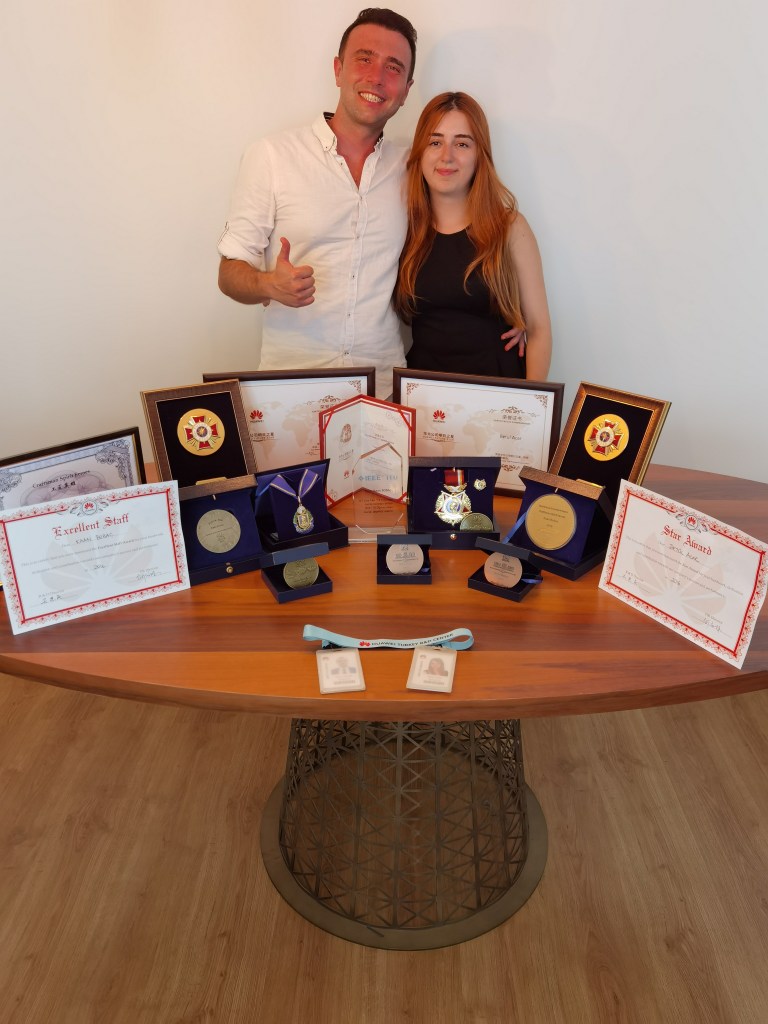
We got in our car, went into the office one last time, signed the papers, took a photo, and headed for the exit. Moving toward a new life with all the memories left behind made me feel lighter. As we were leaving, my eyes fell on the sofa where I’d sat on the day I first came to Huawei for an interview. I pictured my excited self from September 2014. After seven years, with beautiful memories, friendships, awards, and a wonderful career behind me—and Huawei’s greatest gift to me, my wife, by my side—we walked out hand in hand and left.


Tecrübelerinizi aktardığınız için teşekkürler. Basketbol kısmı oldukça keyifliydi 🙂
LikeLiked by 1 person